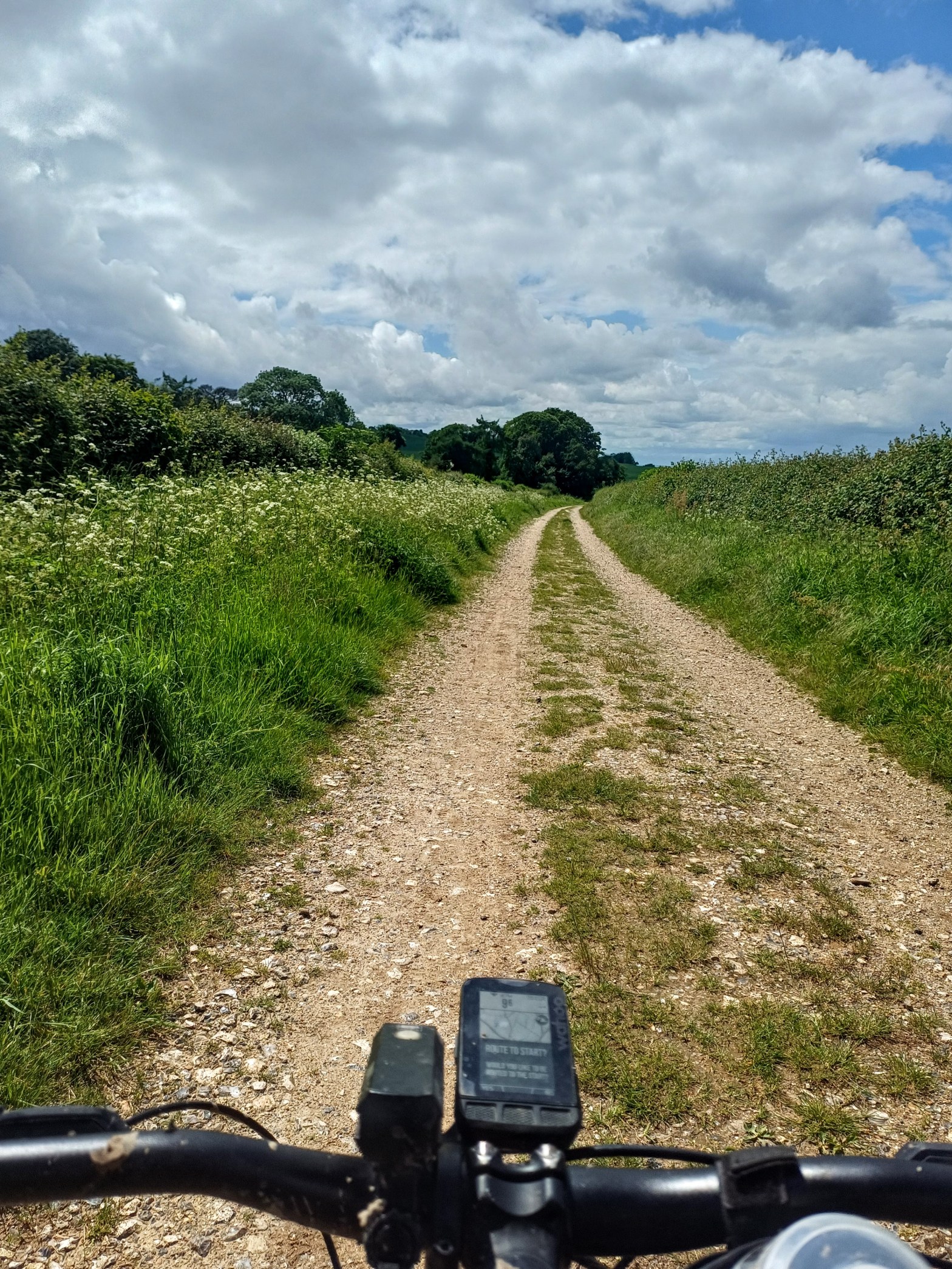
To try and focus my blogs and keep them from being an unstructured mess, I fix them around ‘wins and losses’ from a given ride. This time it’s around a great day out from last Sunday, where I got the train out to Tring from London Euston, and followed a route called ‘the old chalk way’ towards Swindon. I hope you learn a thing or two, or at least, enjoy the read.
Win 1: The Tring-Swindon stretch was fantastically traffic-free and in good condition
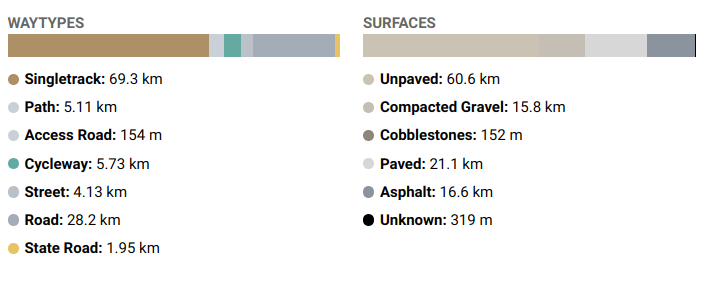
Planning this day out, I noted that the section of the old chalk road between Swindon and Tring is, according to Komoot, almost 75% off of the public road network and 60% unpaved. While some riding with traffic can’t be avoided, our choice of route combined with it being a Sunday on a bank holiday weekend made it so that we felt safe and sound. The next stage of the route, from Swindon to Shaftesbury, is a similar ratio and I look forward to giving that a crack in the near future.
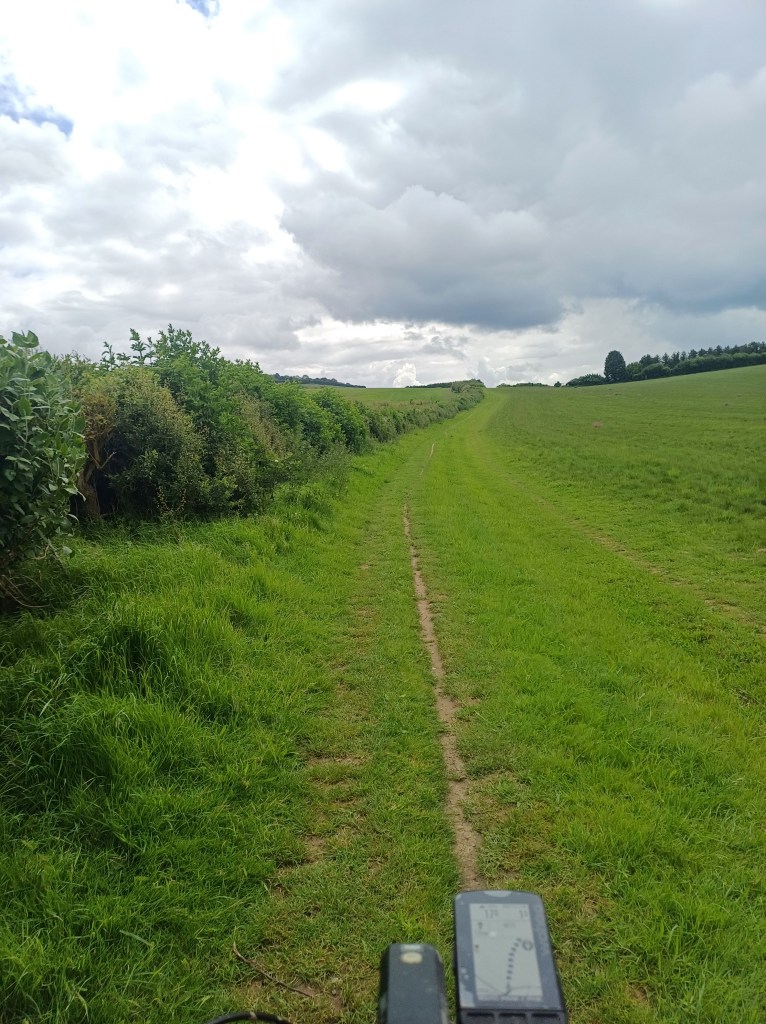
It can be difficult to judge how passable an off-road cycling route will be on a given day in England, because a day or two of rain can turn the same route from an easygoing trundle to an agonising snarling mud pit. Fortunately, though there were no shortages of puddles, my bike served me very well. My mountain bike is fitted with light trail tyres, with a Maxxis Ardent on the front and a Vittoria Saguaro on the back, which held up in the muddy bits marvellously. My ride partner’s ‘gravel tyres’ certainly worked fine on the drier stuff and asphalt but when the way got boggy, they weren’t able to sustain the speed and momentum that I could, for fear of losing control at higher speeds.
Another great plus for this stretch of the route was that there were no gates that I needed to get off and push for. I’m fortunate to be able-bodied enough to wrangle my MTB over and through farm and kissing gates but for people with heavier bikes such as E-MTBs they can be a real struggle.

Win 2: Just the right gearing, but Wahoo issues were frustrating
After my trip to Wales covered in the previous blog, I’ve replaced my trashed rear derailleur and bent cassette with a wider-range one, namely an 11 speed Deore rear mech and a used-but-good-condition 11-46 Sunrace cassette I scored off a forum for £20. The 32-46 bottom gear really helped on the longer and steeper climbs. In the next few weeks I’ll be replacing my cranks with a 170mm Deore set with a 30t chainring, which will hopefully put me in good stead for an exciting adventure I have lined up in the summer.
Unfortunately, the Wahoo Roam that I used for navigating keeps coming up with problems. The unit crashed midway through the day, and in fact fully factory reset itself, meaning I had to re-pair it to my smartphone and reload the route. This was an annoying delay but more importantly, if I’d been somewhere without phone signal, I’d have been stuck. I’m unsure what to do about this as my previous experiences with Garmin have been frustrating also. From what I can see, the most reliable option is actually using a smartphone, but the battery is liable to drain very quickly. So I’ll keep trucking with the Wahoo for the moment but I’m reluctantly ‘actively looking’ for a replacement solution.
Win 3: Fantastic train connections to the start and end
Our train from London Euston to Tring was 40 minutes, and our return from Pangbourne to Paddington was about the same. We had no problem getting our bikes on to both services, it being either a Sunday morning or afternoon on the day. One of the really good things about this stretch of the old chalk way is that it has multiple bail-out points if the going is heavy; we decided to stop a little ahead of time when we got to Goring, and diverted towards Reading using the King Alfred’s Way route, and jumped on the line at Pangbourne which went all the way to London. What’s really good is if you have a GWR super off peak ticket, which you can buy in advance, it will be valid for the return to London on any route (though double check with GWR using their Facebook Messenger account to make sure you’ve got the right tickets).
Our ride was on the same day as Ride London, but we’d gone ‘the wrong way’ so there was no issue with fitting our bikes on anywhere. The lifts throughout Paddington and Liverpool Street were very busy, so we just lifted our bikes on to the back wheels on the escalators instead.

Future plans and link to the route
I’m super keen to do the Shaftesbury-Swindon leg, but Shaftesbury is a two-hour ride from London Waterloo and early services don’t seem to run on Sundays, so my draft thinking is to either get to Swindon as early as possible and get the train from Shaftesbury at the end of the day, or alternatively, get the train to Shaftesbury the day before, wild camp, and enjoy a prompt start. This leg is reputedly significantly more flat than the Tring-Swindon one, so I am a little braver about being more laden down.
Thank you to Ben Wormald who has compiled all legs of the old chalk way on Komoot. You can read more about the route and its design at the website; pinchflat.cc/theoldchalkway
 Calum On Wheels
One thought on “What I learned: Riding on the ‘old chalk way’ from Tring to Pangbourne”