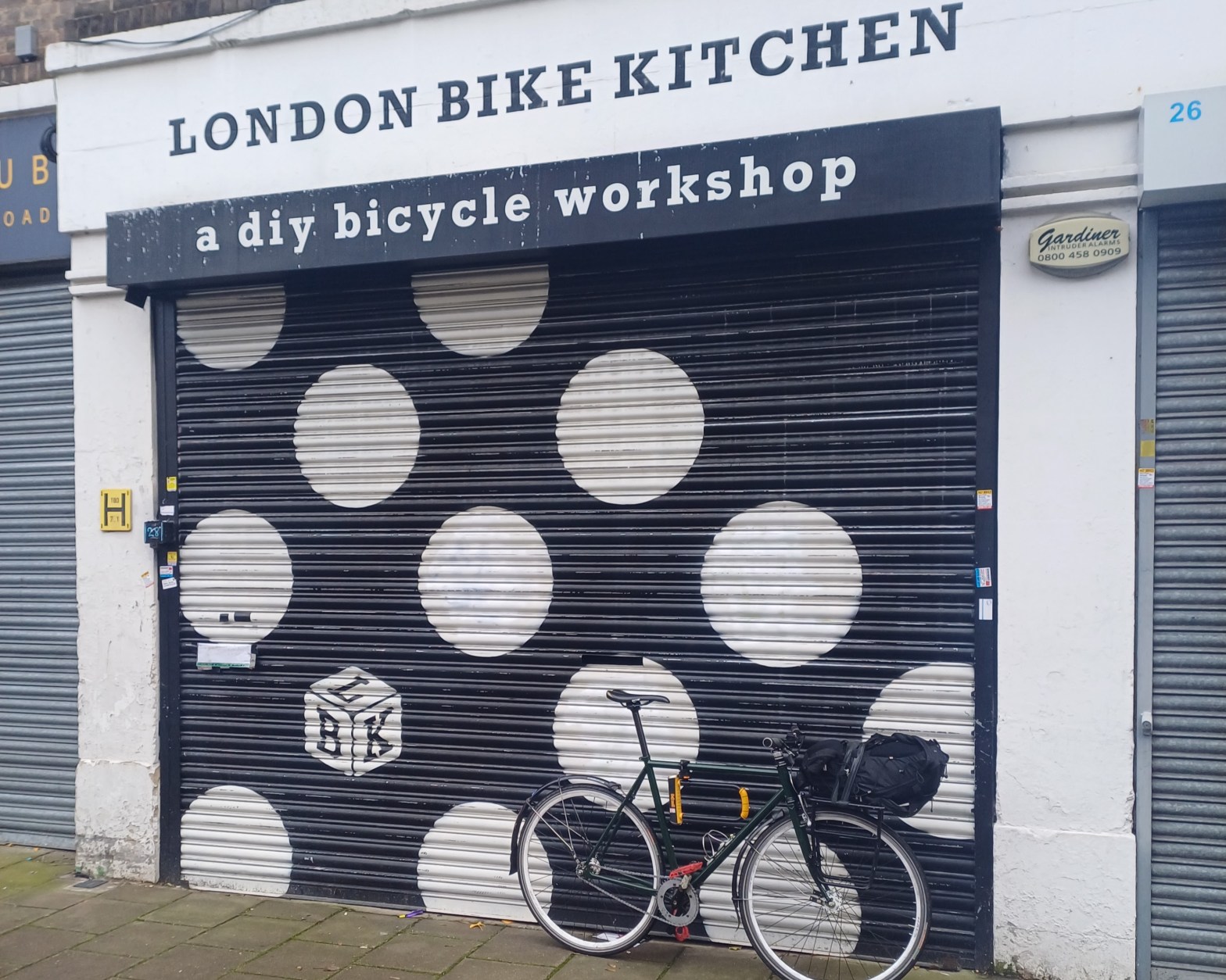
The other day at London Bike Kitchen, where I teach as a freelance tutor, I ran a ‘introduction to maintenance’ class for two people who were several decades older than me. Correspondingly, they probably had in the order of 40 years more of experience regarding riding bikes than I did, since I only really began cycling properly (in the sense of leisure and transportation) in around 2017. This made me pause and think for a bit about why I do what I do, and a little about what I’ve learned. Writing this, I’ve been teaching classes like this, or working as a community mechanic, for about 6 months now, and thought a blog post about what I’ve learned and how I’m feeling about it may be interesting to you.
Free transport, free adventures, free yourself
My re-taking up of cycling happened in late 2017, when I was about 27, on a solo holiday to eastern Netherlands (specifically Nijmegen). I wanted to go away somewhere on my own, without too severe a language barrier, that I could get to easily without flying. I had known about the reputation the Netherlands had for cycling infrastructure, but was blown away at how it made me feel. I had cycled in London for transport growing up but never felt safe (even after taking the free Cycle Confident training) and certainly didn’t carry it forward upon leaving school. I was astonished to see small children, as young as 13, confidently riding out with friends for daily trips and weekend adventures using smooth, physically segregated infrastructure, without needing to be helicoptered around by guardians for safety and wearing normal clothes, so I rented a bike for transport for the rest of my stay.
The bike I ended up renting for 9 EUR/day was a heavy 3-speed ‘omafiets’ (lit. ‘grandma bike’) but the adventures I went on it with completely turned my life around. Bikes I’d ridden previously had tended to be ‘sport’ bikes, either road bikes or MTB/hybrid style ones that I don’t remember ever really much liking. In the Netherlands, cycle path junctions each have a number on them, and you can easily navigate long journeys by writing numbers on your arm with pen and following them turn-by-turn. I felt like I could ride round the whole world, as easily as I could ride down the block, or to the next town over, without having to rely on any transport schedules or my wallet. I returned to England, determined that this wouldn’t just be a one-off holiday experience.

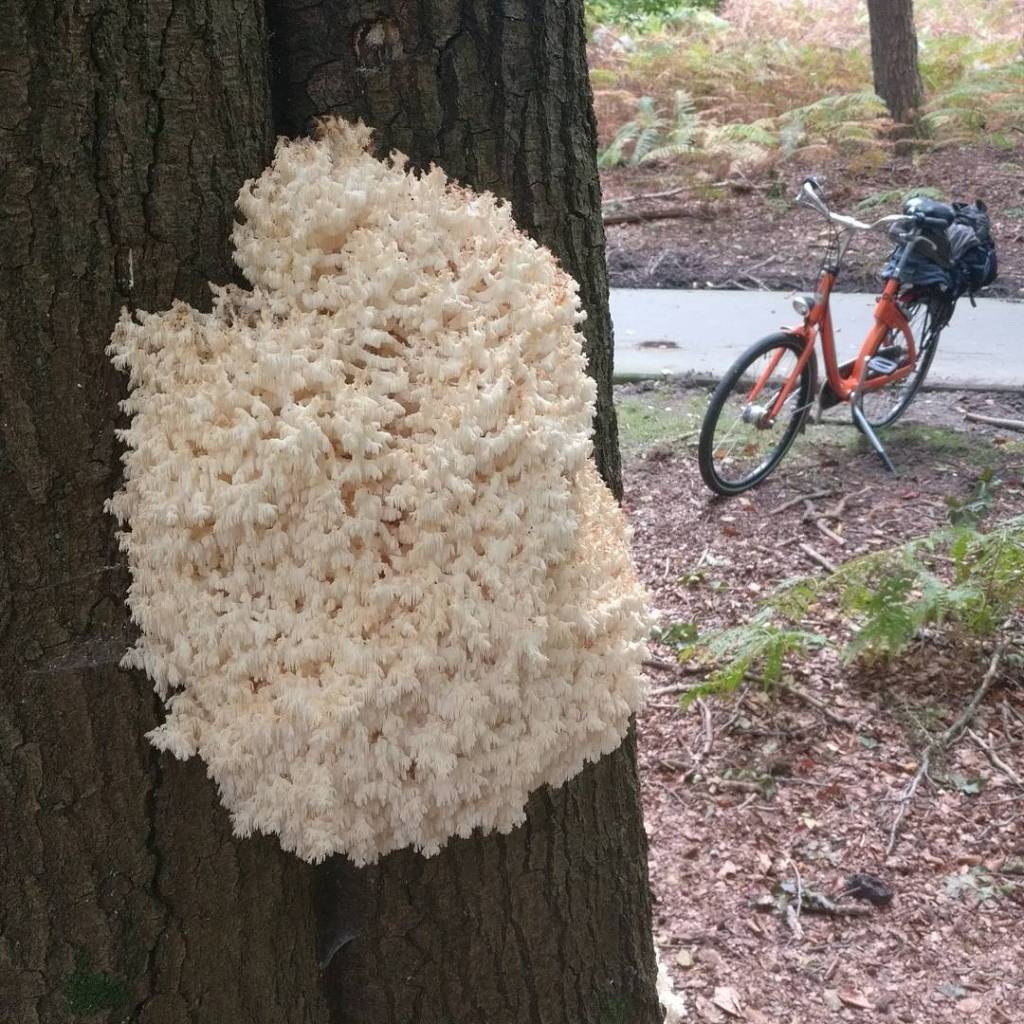
It wasn’t all plain sailing, though. The first bike I had been given by the rental company had a badly worn-down back tire, so I punctured on my second day of rental. Having no skills and tools (I had been trained on replacing inner tubes years and years before but this was all long-forgotten), I had to get this flat-tyred bike to the nearest train station and get back in to town. I went and swapped the bike for a better one the next day, having learned a lesson about the importance of inspecting rental equipment.
To trim this blog post length down, I will end ‘the story’ here. But those kinds of feelings are what motivates my tutoring. I want other people to share the feelings that heavy 3 speed omafiets gave me in the Netherlands; the knowledge and confidence that they can deal with problems like punctures; and keep riding wherever they want, on their own terms.
It’s about helping people ‘find their level’
All kinds of people like riding bikes, but interest in the actual mechanics of the bike among their users vary wildly. If you want to get in to tutoring a range of different people on introductory maintenance and repairs, this is crucial to constantly have in mind. Many people are just not interested in doing any work on their own bikes, or at the least, are only interested in the punctures and not getting nasty expensive surprises when their bikes wear all the way down. And that’s OK.
Everyone has different skills, aptitudes and insights. I’ve taught people who are extraordinarily gifted in all kinds of ways, from music to photography to all kinds of other crafts. Maybe someone who takes an intro to maintenance class will go on to learn further, and do more complex work on their bike, but it’s equally likely that all they’re interested in is a puncture fix and how to take the wheels off their bike and put them back on in case they need to call for a lift home in a car. This may seem like a piece of cake to someone with the experience, but for many tutees, they have real fear of either damaging the bike, or worse, not being able to put it back together and being stuck with an unrideable or unsafe machine.

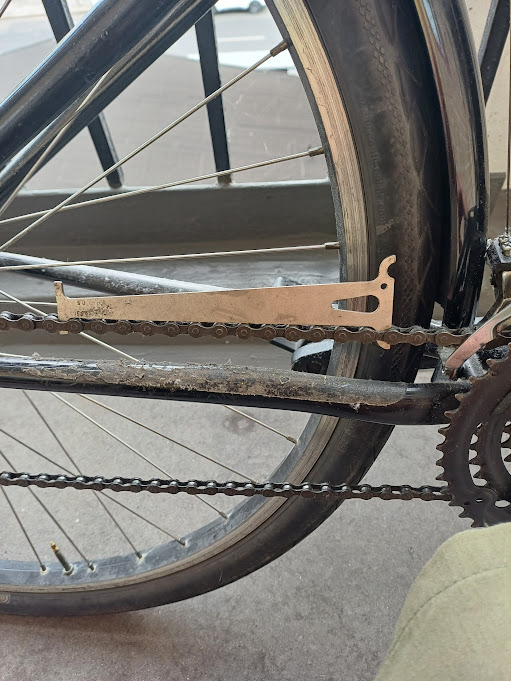
When I run intro classes, I focus on providing a base level of confidence and ‘can do’ for the average person who just wants to use their bike to ride 10-20 minute journeys to a café and back. I also focus on how to check that a bike that is being lent by a friend, or borrowed using a bikeshare/rental company, is safe to ride. It could be that they use the knowledge as the first rung on the ladder towards more advanced proficiency, but equally, you should be cognisant that your curriculum and teaching should have defined quality-of-life improvements for participants who won’t do any further dedicated mechanic training. For me, those are getting over the puncture anxiety, how to use preventative maintenance skills to identify emergent problems and when to go to a shop before it deteriorates into a catastrophic (and potentially dangerous) failure, such as a worn chainring or cassette, fully worn brake pads, and so on.
Some tutees will ask me if is difficult to change a chain, or brake blocks, or indexing gears, and I’ll always tell them that just being in the class signifies they absolutely have the DIY spirit, and I’ll signpost to our more advanced classes that focus on these more complex procedures, and free learning resources I’ve used in my own journey. But for others this just isn’t a priority in their lives, and that’s fine too.
It’s a tiring class and people need to learn at their own pace
The classes I teach last about 3 hours 30 minutes, with a break, and while I really enjoy teaching, you can see how for pupils, this can be a bit of a strain if they aren’t allowed to pace themselves and be taught on their own terms. While for someone who is confident doing activities like removing wheels from bikes and changing punctures, it’s pretty plain sailing, for those without competency and experience, it can be a scary undertaking.
One of the ways I like to teach is by the pupils bringing their own bikes to the class, firstly to build familiarity with their machines, but also so they can learn from each other. Partly because it’s good to see the peculiarities of their bike compared to someone else’s (for instance, some people bring disc brake bikes, others bring rim brake single speeds), and also there’s a real team spirit of tutees and tutor cheering for each other even as we complete tasks that in other circumstances, such as on the roadside, in the rain, at night, can be intensely stressful and difficult.
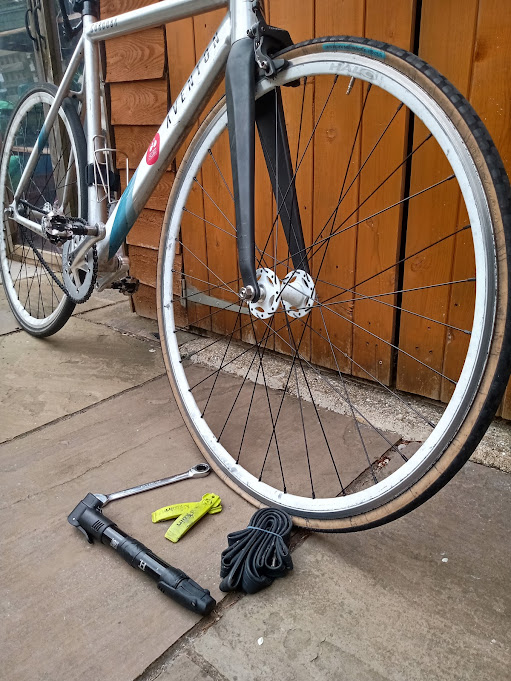
The class is also more physical than one might be expecting. It is tricky to have to crouch around your bike, to wrangle wheels on and off the frame, levering tyres on and off the rims, and so on. This is especially tricky for some combinations of tyres and wheels, like tubeless-ready rim and tyre combinations which lend to a very tight fit. As well as quality Pedro’s tyre levers, at LBK we keep a kool-stop tyre lever on hand which I’ve had one guest (with arthritis) find really useful. I’ve found that once we’ve put our wheels back in after the simulated puncture repair, this is a great time to take a break and give everyone a well done. We’re also fortunate to be around the corner from the wonderful Sabretooth Coffee, who serve a mean masala chai.
Learning and drawing inspiration from your tutees
Given you only have the duration of the lesson to get through your syllabus, it’s very understandable that you will want to press through the lesson plan as quickly as you can. But I would really encourage anyone who does this kind of work to speak with your tutees to find out more about why they’re there, and what their relationship with cycling is like.
I’ve had tutees who’ve been cycling their whole lives, but are only now able to have the time and the money to spend on training like classes with LBK. Others have been recommended to us by peers, and are just getting started out on their journey of using cycling for transport and for adventures. Everyone has had eye-opening stories and experiences they’ll gladly share during the class, with me and each other, and this is a huge part of what makes the job so enjoyable. So while, yes, you do have to get through the syllabus in a timely way so it doesn’t overrun, don’t miss out on the human stuff which is why we’re all there in the first place.
Ending
You can take the introduction to maintenance class with me or my colleagues at the London Bike Kitchen. I also instruct and help with Community Cycleworks, which tend to be at our premises in Burgess Park, but sometimes in other locations too. I aspire to do more in this space and have also done one-off freelance tutoring and events including with Zedify as a subcontractor for Loud Mobility, so do email me using the contact form or hit me up on LinkedIn if you’re interested in me helping you.
 Calum On Wheels